3.5 Hz oscillations in the electricity grid
New challenges arising from the rapid integration of renewable energy sources.
Electricity is delivered to consumers from power plants via a network of overhead high-voltage power lines, underground high-voltage cables, and low-voltage cables, passing through substations and transformer stations along the way.
See the figure below.

The Dutch electricity sector is in the midst of a major and accelerating transition. The Netherlands is rapidly shifting from fossil fuels to renewable energy sources. Wind and solar energy form the foundation of the future system. The government aims to increase offshore wind energy capacity to 70 GW in the coming years. Both onshore wind energy and solar energy from rooftops and large solar farms are growing annually.
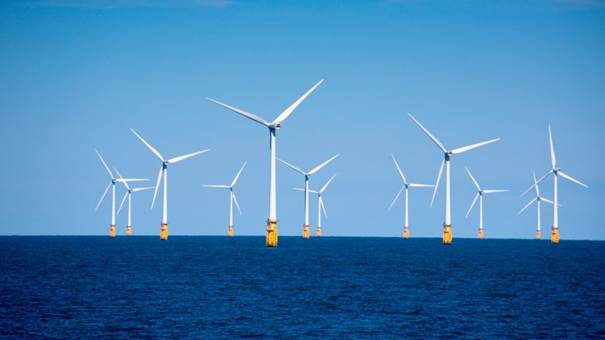
The current energy mix consists of:
- Offshore wind power is growing the fastest and is becoming one of the system’s key pillars.
- Solar energy continues to grow, especially on the roofs of homes and businesses.
- Fossil fuel power plants (gas, and to a limited extent coal) are still needed to balance the power grid and ensure reliability.
The current power grid is under severe strain due to growing demand and large-scale renewable energy generation.
TenneT operates the national high-voltage grid. Regional grid operators such as Enexis, Liander, and Stedin manage the regional cables and connections.
The aforementioned parties are undertaking large-scale expansion projects. This includes the installation of new cables, high-voltage substations, and substations to enable the transmission of more renewable energy. A massive push to upgrade the grid is needed because thousands of megawatts of wind and solar energy must be connected to the grid. It is estimated that, in the coming years, excavation work for new cables will be required on one in every three streets.
Renewable energy is being rapidly integrated at all grid levels. On low-voltage (LV) networks:
- Electric Vehicles (EVs)
- Heat pumps
- Solar panels (PV)
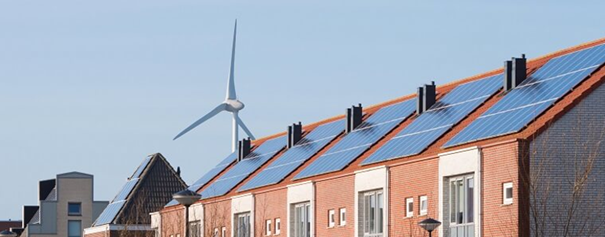
And on medium-voltage (MV) and high-voltage (HV) networks:
- Large solar parks
- Wind turbines
- Battery systems
- Large charging stations for electric vehicles
Electricity consumption and generation now take place at all grid levels.
For more information, please visit the pages below.
2. Sub-synchronous oscillations (SSOs)
3. Testing the effects of grid distortion

